Planning Your First Japan Trip from India? Here’s What You Should Know
Japan is one of those destinations that can feel familiar and completely different at the same time.
You may already know about Tokyo, Mount Fuji, cherry blossoms and bullet trains. But planning an actual trip involves more than deciding which places you want to photograph.
You need to think about the season, the number of days, transportation, food, accommodation, visa requirements and the kind of itinerary that suits your travel style.
If you are researching Japan group tour packages from India, understanding these practical details can help you decide what kind of Japan trip you actually want.
Here is what first-time travellers from India should know before planning their holiday.
Why Japan Is Worth Experiencing
Japan offers a combination that is difficult to find in one destination.
You can spend one day exploring the busy streets of Tokyo, visit centuries-old temples in Kyoto, see Mount Fuji, travel through the country on a high-speed train and then experience a completely different side of Japanese culture through its food, traditions and everyday life.
The contrast is part of the attraction.
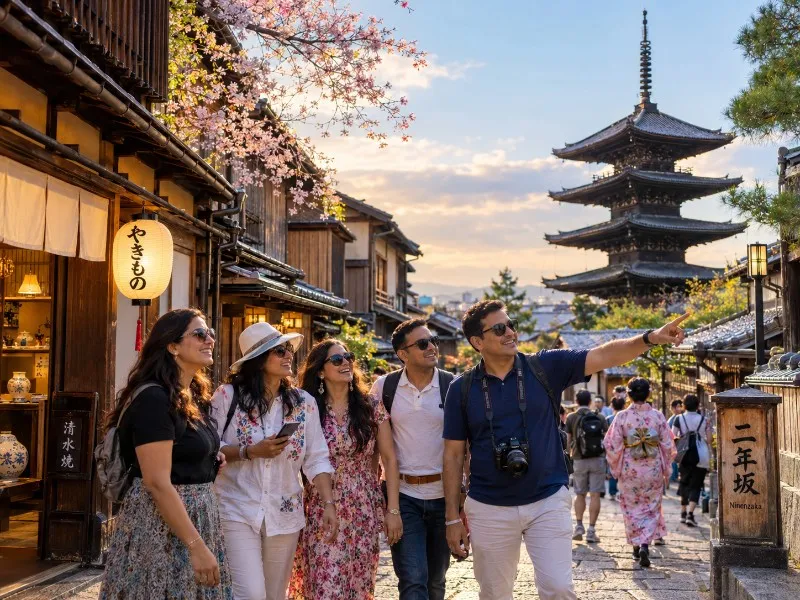
Tokyo represents the modern side of Japan, while Kyoto gives you a closer look at traditional architecture, temples and historic neighbourhoods. Osaka brings a different atmosphere with its food, entertainment and lively streets.
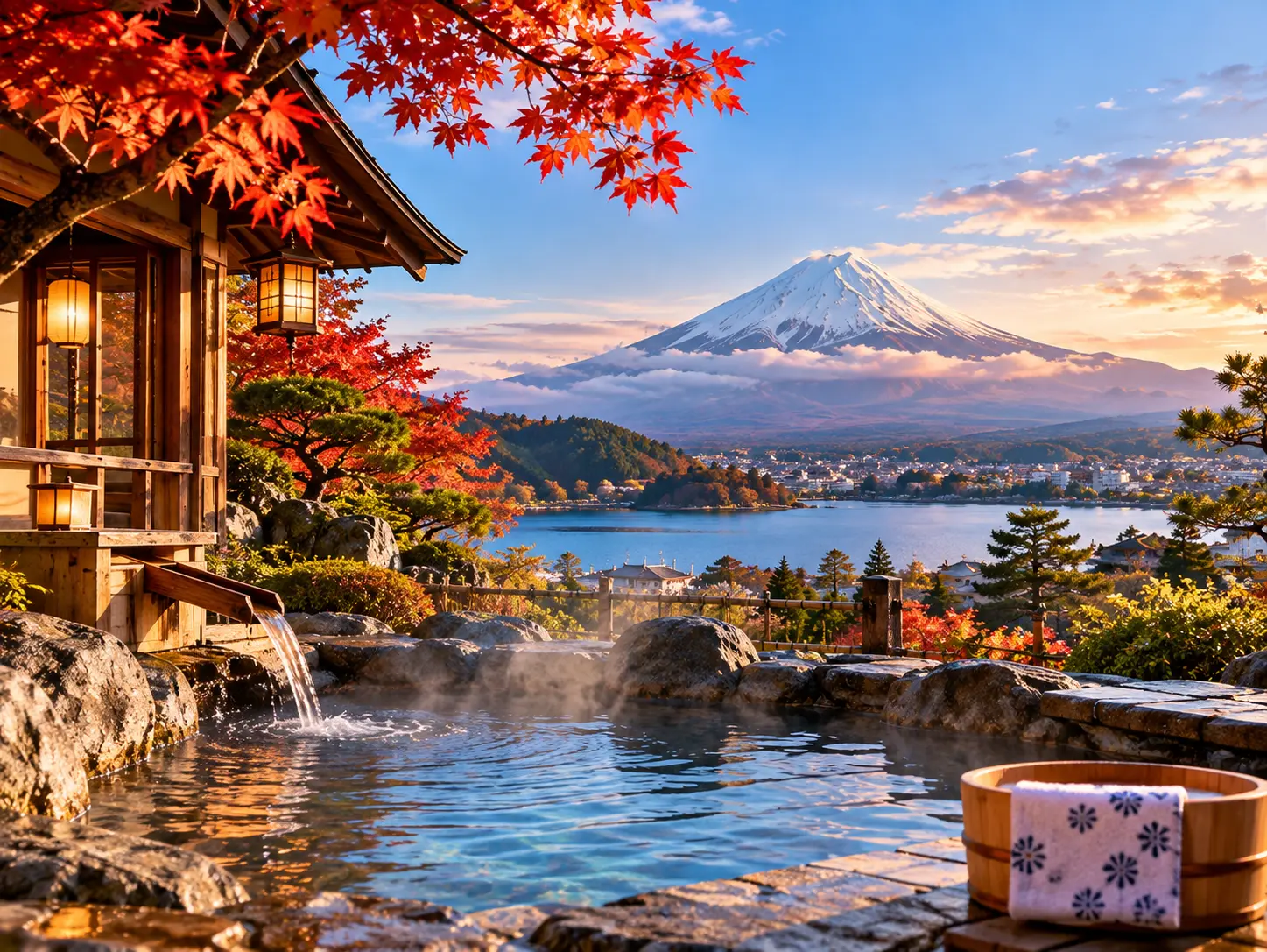
Beyond the major cities, Japan also has mountains, gardens, coastal areas, hot springs and seasonal landscapes.
For first-time visitors, this variety is one reason Japan works well for a longer international holiday rather than a very short city break.
When Is the Best Time to Visit Japan from India?
Japan can be visited throughout the year, but the experience changes significantly with the seasons.
Spring
Spring is famous for cherry blossoms and is one of Japan's most popular travel periods. The exact timing of the blossoms varies by location and year, so travellers interested in seeing them should plan carefully.
Summer
Summer brings warmer weather, festivals and lush landscapes. It can also be humid, particularly in some cities.
Autumn
Autumn is known for colourful foliage. Kyoto, Tokyo and several other destinations can be particularly attractive during this season.
Winter
Winter brings colder weather and snow, especially in northern and mountainous regions. It can be a good period for travellers interested in winter landscapes and snow experiences.
When comparing Japan group tour packages from India, look beyond the price and check what the season means for your itinerary.
If cherry blossoms are your priority, your travel dates will be different from someone who wants autumn colours or winter experiences.
Also remember that popular periods can become busy. Japan's official tourism information identifies periods such as Golden Week and the New Year holidays as particularly busy domestic travel periods.
How Many Days Do You Need for a Japan Trip?
There is no single answer because it depends on how much of Japan you want to see.
For a first visit, around 7 to 10 days can give you enough time to experience some of the country's major highlights without trying to cover too much.
With around 10 to 14 days, you have more flexibility to combine major cities with additional destinations or allow more relaxed travel days.
The important thing is not simply adding more cities.
Every additional destination means another hotel change, transfer and travel day. A packed itinerary may look impressive on paper but can leave you spending more time moving around than enjoying Japan.
This is something worth checking when comparing Japan group tour packages from India. Look at the number of destinations as well as the number of actual sightseeing days.
A well-paced itinerary can often be more enjoyable than one that tries to cover everything.
Which Places Should First-Time Visitors Include in Japan?
You do not need to see all of Japan on your first visit.
A classic first-time route can include Tokyo, Kyoto and Osaka, with Mount Fuji or Nara added depending on the itinerary.
Tokyo
Tokyo is the obvious starting point for many first-time visitors.
It combines modern architecture, shopping, technology, neighbourhoods with different personalities and traditional sites.
You can experience the scale of the city while still finding quieter temples, gardens and local streets.
Kyoto
Kyoto offers a very different atmosphere.
It is known for temples, shrines, traditional streets, gardens and historic neighbourhoods.
For travellers interested in Japanese culture and history, Kyoto can add an important contrast to the modern experience of Tokyo.
Osaka
Osaka is known for its lively atmosphere, food culture and entertainment.
It can also work well as a base for exploring nearby attractions depending on the itinerary.
Mount Fuji
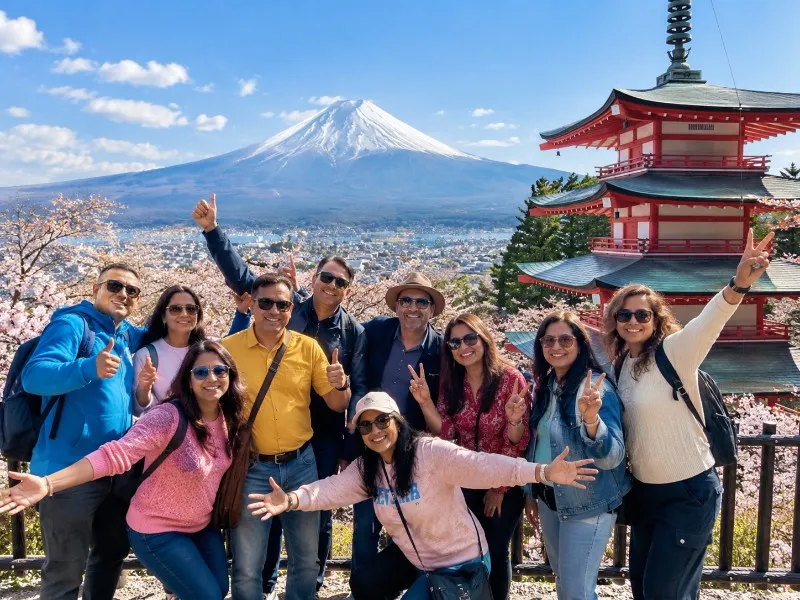
Mount Fuji is one of Japan's most recognisable landmarks.
The surrounding region offers opportunities for scenic views, lakes, traditional towns and seasonal experiences.
Nara
Nara can be included as a day trip or short stop depending on your route. It is known for its historic temples, parks and cultural sites.
Many Japan group tour packages from India include some combination of these destinations because they provide a good introduction to different sides of the country.
How Easy Is It to Travel Around Japan?
Japan's transportation system is one of the things first-time visitors often notice.
The country has an extensive network of trains, high-speed Shinkansen, local railways, buses and urban metro systems.
The Shinkansen, commonly called the bullet train, connects several major cities and can make long-distance travel much faster.
Within cities, trains and metro systems are often the most practical way to move around.
Rechargeable IC cards can also make everyday public transportation more convenient in many areas.
However, Japan's transport system can initially feel complicated because there are different railway operators, routes and ticket options.
This is where planning helps.
Before travelling, check how you will move between each destination rather than looking only at the distance between them.
When comparing Japan group tour packages from India, it is worth checking whether major intercity transfers and local transportation are already included in the itinerary.
What Should Indian Travellers Know About Food in Japan?
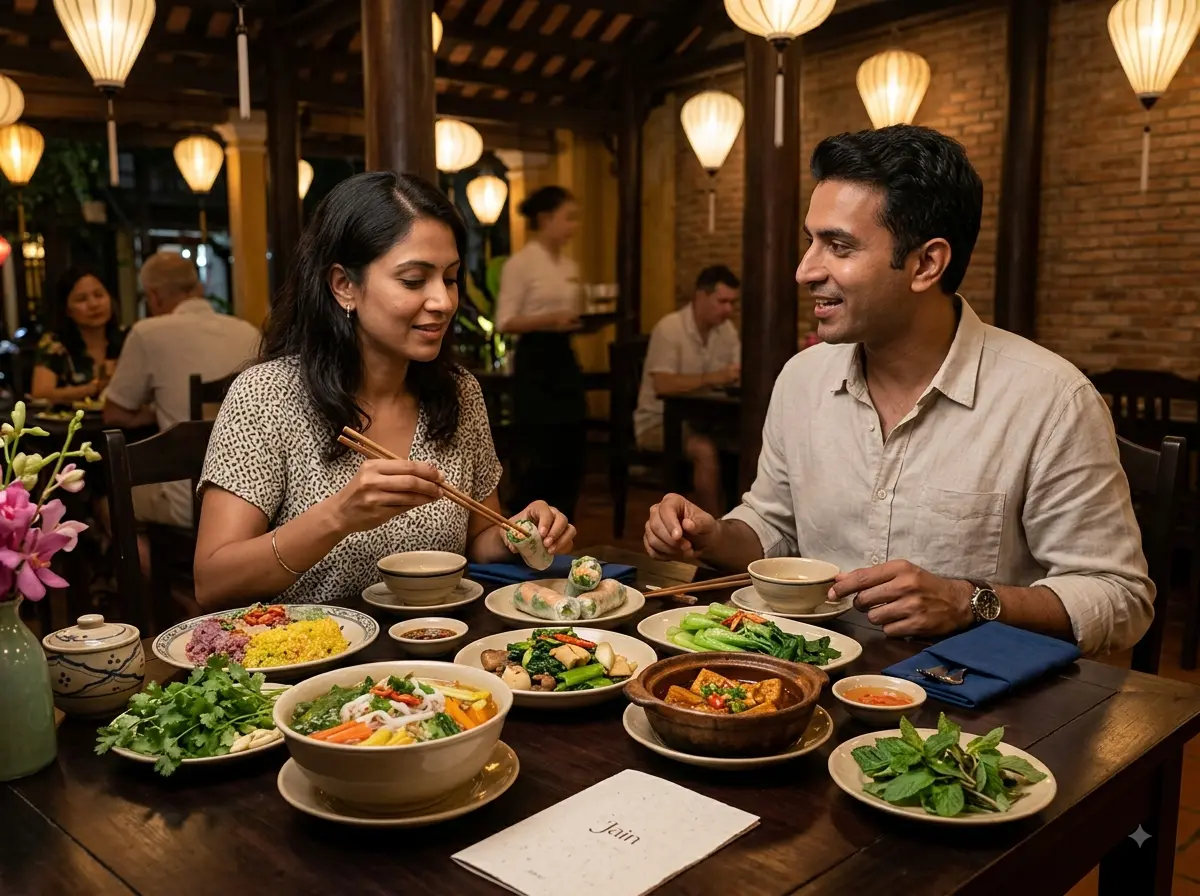
Food deserves special attention, particularly for vegetarian and Jain travellers.
Japanese cuisine includes much more than sushi. Travellers can experience noodles, rice dishes, soups, grilled foods, seasonal specialities and many regional dishes.
However, vegetarian travellers should not assume that a dish is suitable simply because it does not contain visible meat.
Ingredients such as fish-based stock, sauces and other cooking ingredients can be used in Japanese dishes.
For Jain travellers, the requirements can be more specific.
Vegetarian food is not automatically Jain food, so dietary requirements should be clearly communicated before meals are arranged.
This is particularly important when travelling as part of a group because meals may be organised in advance at specific restaurants.
If food is an important consideration for your trip, ask the tour operator exactly how dietary requirements are handled before booking.
For Japan group tour packages from India, this is one of the details worth checking alongside hotels, sightseeing and transportation.
What About Japan Visa Requirements for Indian Travellers?
Indian travellers should check Japan's current visa requirements before planning their trip.
Visa procedures and documentation requirements can change, so it is better to rely on the latest information from official Japanese sources rather than old travel articles or social media posts.
Japan also provides Visit Japan Web, an online service that can be used for arrival procedures.
Before departure, make sure your passport, visa and other required travel documents are in order.
If you are travelling through a tour operator, clarify which parts of the visa process are handled by the operator and which documents you need to provide yourself.
How Much Should You Budget for Japan?
Your Japan budget depends heavily on when you travel, the cities you visit, your hotel category and how you spend your time.
The main expenses normally include:
-
International flights
-
Accommodation
-
Intercity transportation
-
Local transportation
-
Food
-
Sightseeing and attraction tickets
-
Shopping
-
Travel insurance
-
Visa-related expenses
You can find different accommodation and dining options across Japan, so there is no single budget that applies to every traveller.
Transportation can become a significant expense if your itinerary covers several cities.
Shopping can also affect your final spend, particularly if you plan to buy electronics, souvenirs, traditional products or Japanese speciality items.
Instead of asking only how much a Japan costs, it is more useful to calculate the major expenses based on your travel dates and itinerary.
This also makes it easier to compare different Japan group tour packages from India and understand what is actually included in each package.
What Should You Know About Japanese Culture and Etiquette?
Japan has several everyday customs that may be different from what Indian travellers are used to.
Some simple things to remember include:
Keep public spaces quieter
People generally avoid loud conversations on trains and public transportation.
Follow queues
Queueing is taken seriously, particularly at stations, restaurants and popular attractions.
Be careful at temples and shrines
Some religious sites have specific customs and areas where visitors should behave respectfully.
Remove shoes when required
Certain traditional spaces, restaurants and accommodation may require you to remove your shoes.
Do not expect tipping
Tipping is generally not part of everyday service culture in Japan.
Learn a few basic phrases
Simple words such as Arigatou for thank you and Sumimasen for excuse me or sorry can be useful.
You do not need to become fluent in Japanese before visiting. A little awareness of local customs can make interactions smoother and show respect for the culture.
What Should You Pack for Japan?
Your packing list should depend on the season and itinerary.
Comfortable walking shoes are particularly important because sightseeing days can involve a lot of walking and public transportation.
Other useful items include:
-
Weather-appropriate clothing
-
Passport and travel documents
-
Necessary medication
-
Phone and charging equipment
-
Suitable power adapter
-
Small day bag
-
Comfortable layers for changing weather
-
Travel insurance documents
Japan uses 100V electricity and Type A/B plugs, so Indian travellers should check whether their chargers and other electrical devices are compatible and whether an adapter is required.
Do not overpack.
If your itinerary includes several cities, carrying heavy luggage between hotels and stations can become inconvenient.
What Should You Look for When Choosing a Japan Tour Package?
Not all packages are structured in the same way.
Before booking, look beyond the number of places mentioned in the itinerary.
Check:
-
Number of travel days
-
Cities included
-
Hotel locations
-
Intercity transportation
-
Sightseeing included
-
Meals
-
Visa assistance
-
Airport transfers
-
Local support
-
Free time
-
Group size
-
Dietary arrangements
A package that looks cheaper at first may have fewer inclusions, while a higher-priced option may include more transportation, meals or sightseeing.
For first-time travellers, the overall itinerary matters more than simply counting the number of attractions.
The right Japan group tour packages from India should give you enough time to experience the destination rather than constantly rushing from one place to another.
Why Consider a Small-Group Japan Tour?
Planning Japan independently can be rewarding, but it also involves coordinating flights, hotels, transportation, sightseeing, restaurants and transfers.
A small-group tour can simplify some of that planning.
Instead of figuring out every train connection and hotel transfer yourself, the main elements of the trip can be arranged as part of the itinerary.
For vegetarian and Jain travellers, meal planning can be another important advantage when the operator has arrangements in place before the trip.
A smaller group can also create a different travel experience compared with travelling with a very large tour group.
For travellers considering Japan group tour packages from India, it is worth looking at not just the destination list but also the group size, meal arrangements and level of support provided throughout the journey.
Frequently Asked Questions About Travelling to Japan from India
Is Japan suitable for first-time travellers from India?
Yes. Japan offers well-developed transportation, a wide range of attractions and different types of travel experiences. However, first-time visitors should plan their route, transportation and food requirements in advance.
How many days are enough for Japan?
Around 7 to 10 days can work well for a first trip focused on major destinations. Longer trips allow you to explore at a slower pace and include additional places.
What is the best season to visit Japan?
It depends on what you want to experience. Spring is popular for cherry blossoms, autumn for foliage and winter for snow experiences. Summer offers festivals and warmer weather.
Is vegetarian food available in Japan?
Yes, vegetarian options are available, particularly in larger cities. However, travellers with strict dietary requirements should check ingredients and preparation methods rather than assuming a dish is suitable.
Do Indian travellers need a visa for Japan?
Indian passport holders should obtain the appropriate visa before travelling. Requirements can change, so always check the latest official Japanese visa information before applying.
Is public transportation easy to use in Japan?
Japan has an extensive transportation network, including trains, Shinkansen, buses and metro systems. It can take some time to understand the different routes and operators, so planning ahead is helpful.
Plan Your Japan Trip with PickYourVacay
Japan can be an exciting destination for a first international holiday, but the experience becomes much easier when the important details are planned before departure.
From Tokyo and Kyoto to Mount Fuji and Osaka, the right itinerary can give you a mix of modern Japan, traditional culture, scenic landscapes and memorable experiences.
For travellers who prefer a smaller group and want their vegetarian or Jain dining requirements considered as part of the journey, PickYourVacay offers international small-group tours with 100% Pure Veg & Jain dining, with groups typically limited to 8–25 guests.
If you are comparing Japan group tour packages from India, take a close look at the itinerary, inclusions, meal arrangements and group size before making your decision.
Pick the place. We’ll plan your Vacay.


Featured Packages
INR 306,050.85